A KönyvKereső szolgáltatás csak regisztrált ügyfeleink számára elérhető.
Hogy igénybe tudja venni, kérjük, jelentkezzen be, vagy regisztráljon oldalunkon.
l'harmattan kiadó
| 2024
| papír / puha kötés
|
184 oldal
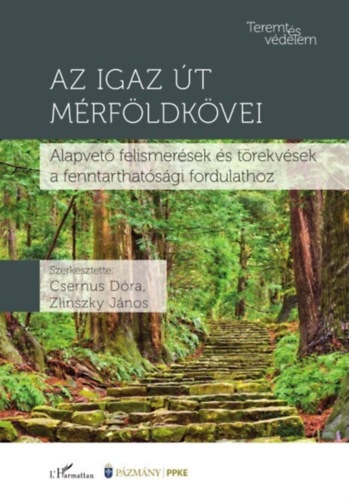
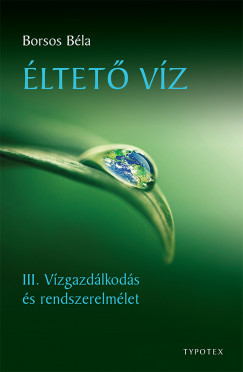
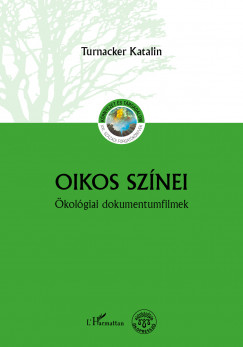
A könyv célja érzékeltetni természet és társadalom fenntartható működéséről alkotott képünk alapjait, kidolgozottságát, megvalósíthatóságát. Az utóbbi fél évszázadban egymást követték azok a tudományos felismerések, innovatív ötletek, a megértést segítő új koncepciók és mérőszámok, illetve az új gazdasági-társadalmi rendszer alapjait lefektető elvek és gyakorlatok, amelyek segítségével felépíthető, megtervezhető egy település vagy ország fenntartható jövőjének, fenntartható működésének képe, mikéntje. Könyvünk az elvi alapok közül H. Daly nyomán a folytonos növekedés kritikáját adja, bevezet a természet értékelésébe, elmagyarázza a bolygóhatárok fogalmát, összefoglalja a fenntarthatóság keresztény etikai alapjait, és kitekint a meglévő jogi eszköztárra. Technikai példákként a nagyiparban látható fordulatokat sorol, bemutatja a permakultúrás mezőgazdaságot, a tájban való vízmegtartást, az ipari ökológia elvét, és a vegyipar ,,zöld" lehetőségeit. | The book aims to prove that our vision of a sustainable economy has been already for some time well-founded, detailed, feasible, and there for the taking. The past half century brought a series of innovative insights, discoveries and inventions, new concepts and indicators, new principles and practices that can assist the planning of the stable and sustainable operation of any settlement or country. The book summarizes examples like the steady-state economics of H. Daly, the valuing of, and accounting for, ecological services, or the notion of Planetary Boundaries. It offers an introduction into Christian ethical teaching about sustainability, and an overview of legal instruments in the service thereof. As for examples of technology and process, it presents the environmental pledges of big business, the practice of permaculture, ecological water retention in the landscape, the principle of industrial ecology, and some advances of a "green" chemical industry.